Okay, so check this out—I’ve been messing with hardware wallets for years. Wow! My instinct said plastic + NFC would be a game-changer long before companies made slick cards. At first it felt like a gimmick. Initially I thought a little card couldn’t replace a metal seed backup or those chunky USB devices, but then I realized the convenience trade-off was smaller than I expected, and the security model actually tightened in surprising ways.
Here’s the thing. I like physical objects. Seriously? They give me the same comfort as a keychain or a good leather wallet. Hmm… that may sound trivial, but ergonomics matter when you’re putting a value on convenience and safety. On one hand, bigger hardware wallets can be awkward when traveling. On the other, a tiny card slips into a wallet sleeve and blends into daily life; though actually, that’s only part of the story.
Practicality matters. A card fits in your everyday wallet. It also reduces the chance you’ll forget it’s in a drawer somewhere. My instinct said less friction equals more consistent security habits. I found myself using cold storage more often simply because it wasn’t a burden to pull out the card and tap it to my phone. Something felt off about the usual “cold storage is pain” narrative—it’s not always true.
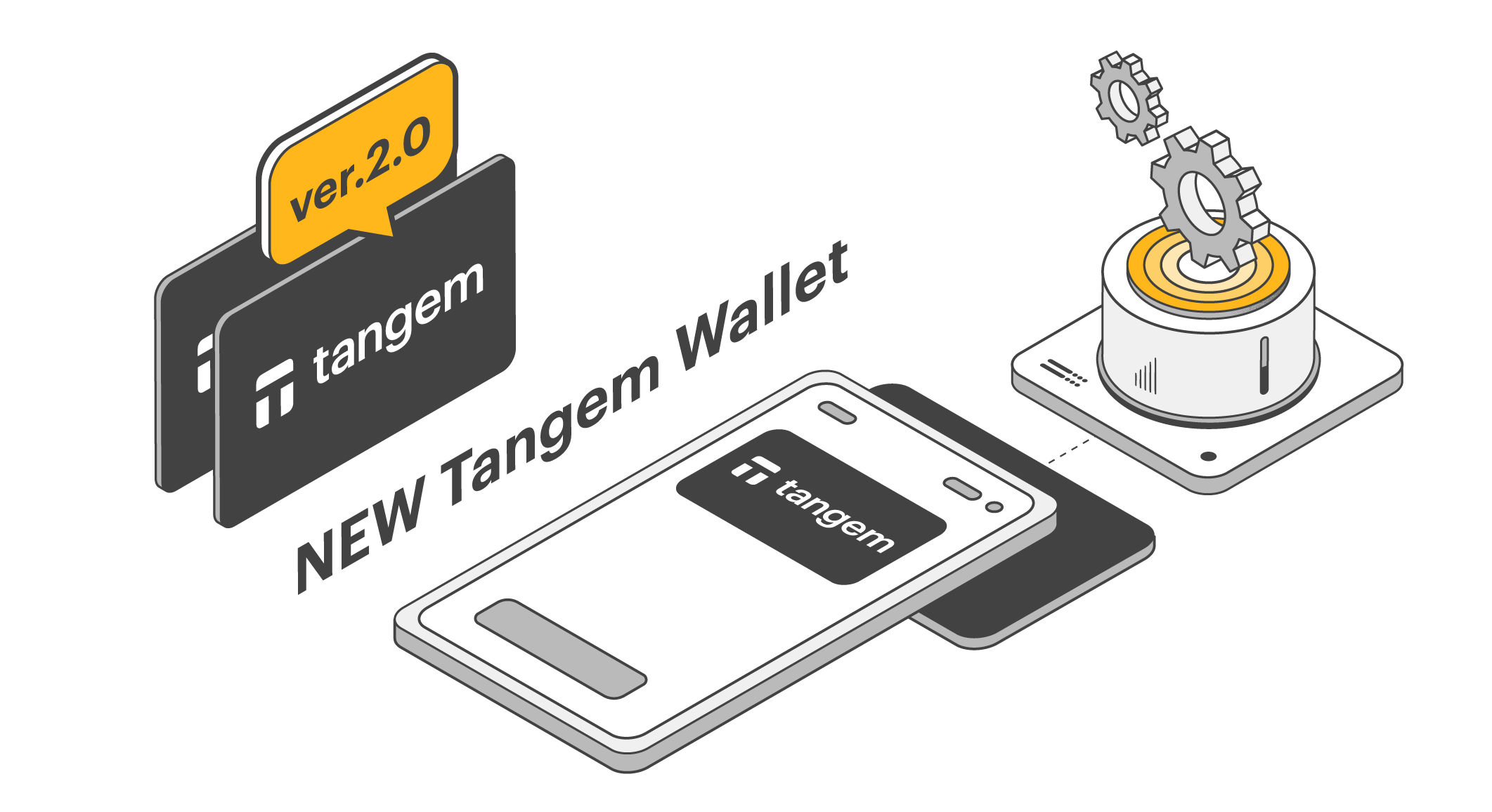
How a Card-Based Wallet Actually Works (High Level)
Short version: the private key is generated and stored on the card’s secure element and never leaves it. Really? Yes. The card communicates via NFC to a phone or reader to sign transactions without exposing the key. Initially I worried about NFC being a wireless risk. But in practice the card needs physical proximity and an app handshake, so the attack surface is different and, in many ways, smaller than having keys on a connected computer.
I’ll be honest—I’m biased toward things that feel tangible and inspectable. This part bugs me when people compare cards to disposable paper seeds. Paper can degrade and be stolen. Metal backups are great, but they’re a hassle. The card sits between those extremes: robust, unobtrusive, and user-friendly. (Oh, and by the way… cards can be duplicated only if someone has your PIN and physical access—so physical security still matters.)
One time, at an airport security line, I almost left my big hardware device at TSA. Not cool. A card would have stayed in my wallet. My head said “less likely to lose it,” which translated to actual fewer incidents over a year of travel. Small moments like that change behavior more than you might expect.
Security Trade-offs — What I Weigh Every Time
On the one hand, you get excellent tamper resistance with secure elements used in payment cards. On the other hand, you’re trusting a closed hardware design and firmware updates from the vendor. Initially I thought “closed means limited review,” but then I realized some vendors publish audits and use widely accepted secure chips, which helps. Actually, wait—let me rephrase that: no system is perfect, but cards can meet or exceed the security of many popular hardware wallets when designed right.
There are failure modes to consider. If you lose the card and your backup phrase is compromised, you’re done. So backups are still very very important. Also, some cards require you to rely on vendor recovery flows for certain edge cases. I compared options and prioritized two things: recoverability and minimal, auditable firmware behavior. That guided my choices.
Practical tip: use a secondary, air-gapped backup (metal seed plate or an encrypted offline storage) and a secure PIN on the card. Doing both drastically reduces risk without adding much day-to-day friction. My practice: one card in my wallet, a metal backup in a fireproof box, and a redundant, secure backup held by a trusted person. It sounds heavy, but the card makes daily ops so painless that it doesn’t feel like a chore.
Where the Tangem Card Fits Into My Setup
Check this out—I’ve tried a few manufacturers, and one product that stuck with me for its simplicity and solid UX is the tangem card. The onboarding is straightforward. The key never leaves the card and the app handles transaction previews neatly. My first impressions were mixed, but after a week of real use I liked the tiny friction the most.
My instinct said “this will be finicky,” but it wasn’t. The app pairing felt intuitive, and signing a transaction with a tap felt satisfying in an almost reassuring way. On long-term reliability, I tested the card across multiple phones and it was resilient. Not perfect—some phones have shaky NFC stacks—but overall it was a solid experience.
One caveat: vendor trust matters. If you use any card, vet the company’s transparency and update policy. Audits and open communication are signs I look for. I prefer vendors that publish security docs and maintain clear recovery instructions. Somethin’ else to keep in mind: physical durability. A good card should survive keys, pockets, and occasional drops.
Common Objections and My Answers
Objection: “NFC is insecure.” Response: proximity and app confirmation reduce risk. Objection: “Closed firmware = backdoor potential.” Response: pick vendors with audits and community scrutiny. Objection: “I prefer full air-gapped signing.” Response: fine—if you can handle higher friction. For most users, the card strikes a balance.
Another objection is cost. Cards aren’t free. But when I amortize the price over years and factor in fewer mistakes and lost keys, the math often favors a card for regular users. And hey—I get it. Not everyone wants a subscription to hardware. I’m not saying it’s mandatory. But for people who actually move funds often and want simple, secure cold storage, it’s worth a look.
FAQ
Is a crypto card as secure as a traditional hardware wallet?
Short answer: yes, if it uses a certified secure element and good firmware practices. Longer answer: architecture matters. Cards can be just as secure, provided you follow best practices—PIN, backups, and vendor due diligence. Also, the physical form factor reduces certain human risks like losing a bulky device, which indirectly improves security in practice.
What happens if the card is lost or damaged?
With proper backups (seed phrase or recovery mechanism), you can recover funds. Without backups, funds could be irretrievable. So keep backups. Metal backups are my go-to for long-term storage. Honestly, this is the weak link in most setups—users skip backups and then panic. Don’t be that person.
Wrapping up—okay, I said I wouldn’t summarize like a robot but here’s my take: card-based cold storage is practical for many people. It removes friction and encourages safer habits. I’m not evangelizing it as the only right choice; I’m saying it solved real problems for me. And if you’re curious but cautious, try one card, pair it with a metal backup, and see if your behavior improves. You might find, like I did, that simplicity breeds consistency—which is the whole point of security in everyday life.