Okay, so check this out—I’ve been juggling wallets for years. Wow! Managing multiple chains and dApp approvals used to feel like herding cats. My instinct said there had to be a better way. Initially I thought browser wallets were all roughly the same, but then Rabby showed up and shook that assumption. Seriously? Yes. It’s slick, fast, and it makes complex moves feel almost…calm. I’m biased, sure, but somethin’ about the UI just clicks for me. This piece is for people who trade, bridge, and compose transactions across chains without blinking.
Short version first. Rabby focuses on transaction simulation, permission control, and sane multi-chain UX. Hmm…that last part matters more than most realize. You can preview gas usage. You can see token approvals before they happen. And you get a consistent mental model across Ethereum, BSC, Polygon, and Layer 2s. On one hand that removes friction. On the other hand it demands trust in a third-party extension—though actually, wait—let me rephrase that: Rabby reduces cognitive load while preserving control, which is the trade-off every pro wants.
Here’s the thing. Transaction simulation is a game-changer. Really. Instead of signing first and hoping, Rabby lets you inspect what a tx will do. It surfaces estimated final balances and potential slippage in a way that’s actionable. That matters especially when interacting with composable DeFi positions where a single bad call can liquidate a leverage position or cost you big in fees. My gut feeling after a couple weeks of use was: fewer oops moments. I can’t prove divine protection, but I did avoid what would have been an embarrassing revert on a bridged swap. The UI showed the revert risk before I signed, so I simply adjusted parameters.
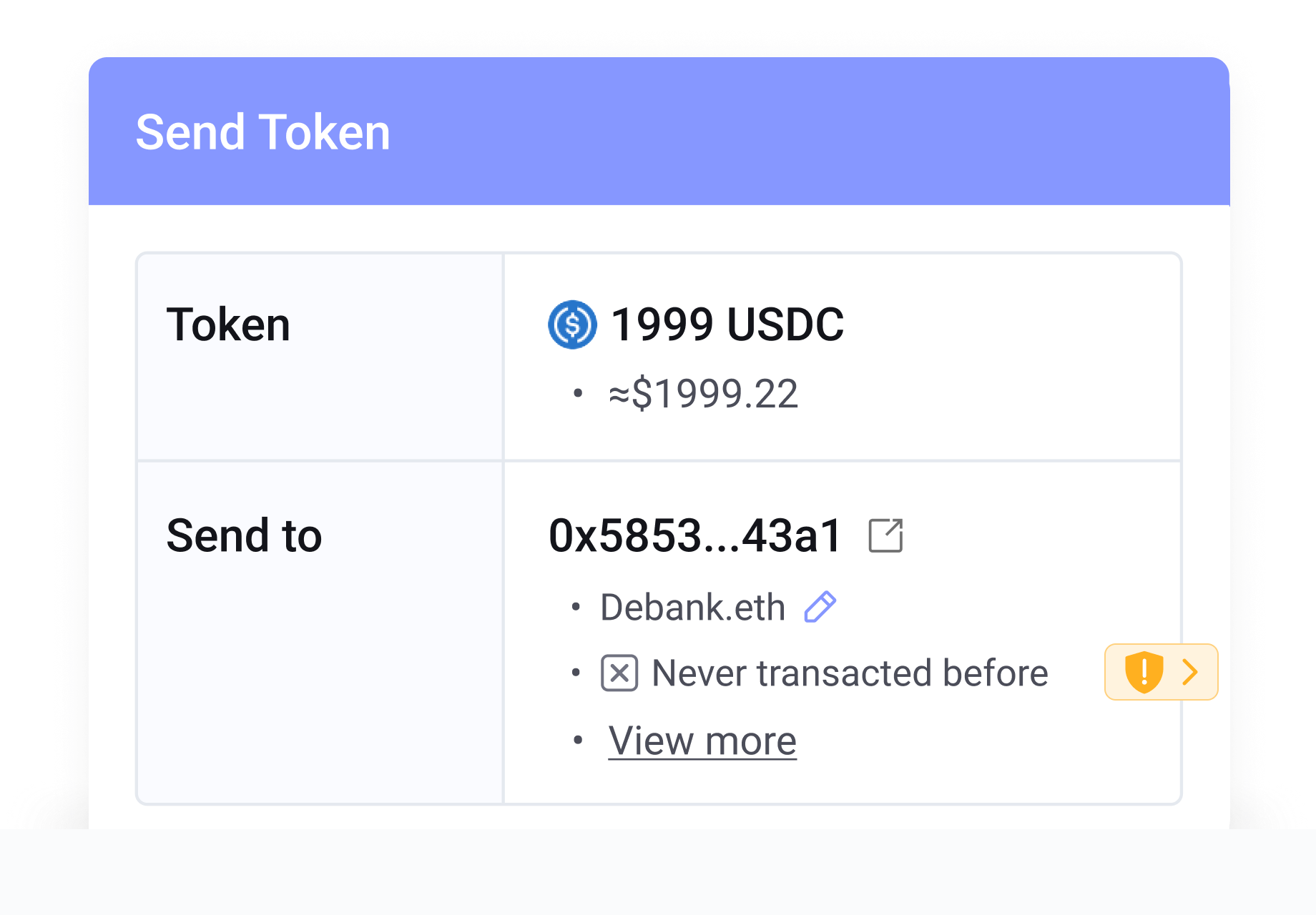
A few features DeFi power users will actually care about
Permission manager. It lists ERC-20 allowances cleanly. You can revoke allowances in one click. That’s the part that bugs me about other wallets—approvals piled up and I forgot them. Rabby makes revokes feel normal, not heroic. Approval spending limits are displayed up front, which means less guessing and fewer meet-your-regret moments.
Transaction preview and simulation. You see what will happen before signing. Gas estimates are clearer, and you can compare gas across chains. This isn’t just pretty data; it’s usable. For example, when bridging assets, the extension highlights the sequence of contract calls so you won’t get surprised by a hidden secondary swap. On paper that sounds small, but in practice it saves time and avoids costly mistakes.
Multi-account, multi-chain. You can split accounts by strategy. One account for long-term holds, another for yield farming. Super useful. The experience stays consistent even as you hop between L1s and L2s, which is where many users trip up. Honestly, that cross-chain polish is why I kept using it after the initial curiosity faded.
Security trade-offs. Let me be blunt. Any browser extension increases your attack surface. That’s not hypothetical. Still, Rabby reduces the need to sign frivolous approvals, and that reduces risk. On top of that, the team has been relatively transparent about audits and bug bounties. I’m not 100% sure of the whole security posture—no one should trust any single tool blindly—but I feel more comfortable keeping it in my day-to-day toolkit than some alternatives.
Integrations matter. Rabby supports wallet connect sessions smoothly and works well with common dApps. It behaves predictably when a dApp asks for an approval or signature, which is underrated. Predictability means fewer accidental approvals, and that’s the difference between a small mistake and a headline-worthy exploit. (oh, and by the way… predictable equals faster workflow too.)
Workflow examples that actually save time.
Scenario one: batching approvals. Instead of approving token-by-token across different sites, Rabby surfaces outstanding allowances and lets you clear them. Short step. Big impact.
Scenario two: simulated swaps on AMMs. You can see potential slippage impacts before submitting a swap and tweak slippage thresholds with immediate feedback. That’s huge during volatile periods.
Scenario three: complex DeFi recipes. If you’re interacting with vaults and strategy contracts, Rabby shows you the ordered calls and the expected state changes, which helps when composing multi-step transactions across protocols. On one hand the blockchain is deterministic; on the other hand UI clarity helps you avoid user-error chaos. I noticed fewer confirm-and-forget mistakes once I started trusting the previews.
Now, the UX grit. The extension is pragmatic, not flashy. It doesn’t try to be everything. This part I like. It focuses on reductions of friction where it counts: approvals, simulations, and clear gas breakdowns. Some competing wallets feel very consumer-first, which is fine, but power users want control and transparency. Rabby gives that, while still being approachable for newer users who are learning the ropes.
One caveat: the extension model still ties you to your local browser environment. Use hardware wallets where possible, and pair Rabby with a cold key when executing high-value moves. I do this. My instinct said keep the hot wallet for day trades and a separate cold for treasury. That split has saved me stress, and might help you too.
Installation and onboarding are quick. The initial setup walks you through key management and network addition. But here’s a nitpick: some network labels and token icons don’t always sync immediately, which can make a balance glance slightly confusing. Minor stuff, but very very human. Still, once configured, the day-to-day feels smooth because the extension keeps the complexity under the hood while allowing you to dig in when needed.
Where Rabby fits into a DeFi toolbelt
If you’re a power user building public strategies, managing a multi-sig, or administrating protocol treasuries, Rabby is a reliable interface layer. It’s not a replacement for comprehensive on-chain monitoring or multisig workflows, but it complements them well. You’ll still run bots and alerting, but Rabby reduces friction during manual interventions. Initially I thought it might just be a nice UI tweak, but actually it altered how often I intervene manually—less often, and with better outcomes.
For traders, the simulation reduces accidental slippage churn. For builders, the permission manager cuts down on clean-up work. For DAOs, it speeds up pre-transaction checks before a multisig proposal execution. On balance, it’s a pragmatic tool that tilts workflows toward safety without slowing you down.
If you want to try it, here’s the official resource where you can learn more and get started: https://sites.google.com/cryptowalletextensionus.com/rabby-wallet/. Check it out carefully, and pair it with hardware keys for high-value ops. Simulate first. Then sign.
FAQ
Is Rabby safe to use for day trading?
Yes, with caveats. It improves visibility on approvals and simulates transactions, lowering risk. But remember that any browser extension adds an attack surface. Use hardware wallets for large positions and enable granular approvals where possible.
Does Rabby support all major chains?
Rabby supports a broad set of EVM-compatible chains and many Layer 2s. Network additions are straightforward. If you rely on niche chains, double-check compatibility before moving funds.
Can Rabby replace a multisig or hardware wallet?
No. It complements them. For organizational funds, multisigs and hardware wallets remain the gold standard. Rabby adds an efficient single-user UX layer for rapid interactions and safer approvals.